
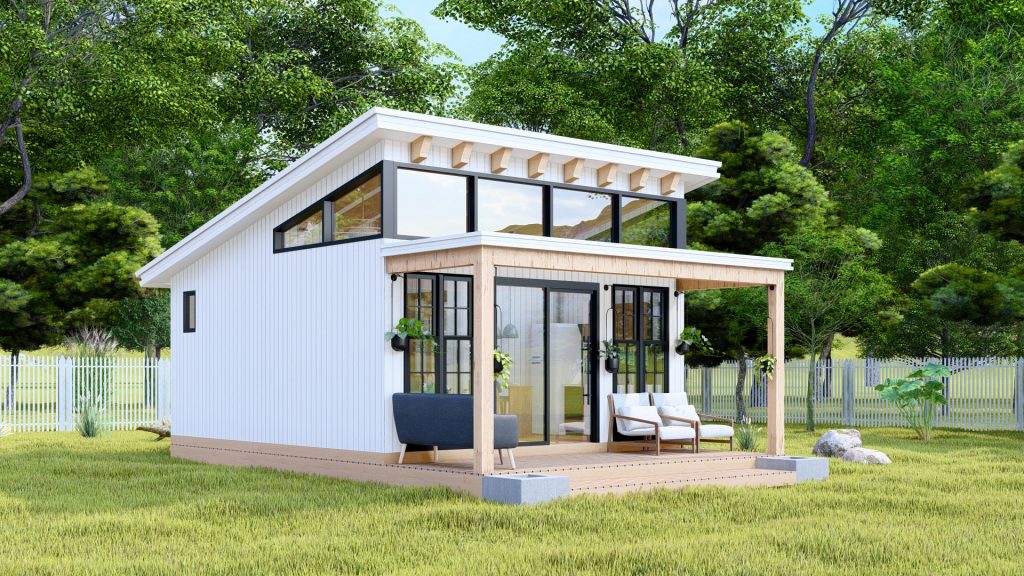
Accessory Dwelling Units (ADUs) are becoming increasingly popular across Georgia. And with rising construction costs, many homeowners ask the same question:
Can I build an ADU without a contractor?
The short answer is yes, sometimes. But building a DIY ADU comes with legal, financial, and practical considerations that every homeowner should understand before getting started. In this guide, we’ll break down what’s allowed in Georgia, the pros and cons of going the DIY route, and when working with an ADU specialist may be the smarter investment.
What Does “DIY ADU” Really Mean?
A DIY ADU doesn’t always mean doing every part of the construction yourself. In most cases, it means acting as an owner-builder… essentially serving as your own general contractor.
This can involve:
- Managing the project timeline
- Hiring and coordinating subcontractors
- Pulling permits in your name
- Performing some of the labor yourself
While a DIY ADU can involve hands-on construction, most homeowners still hire licensed professionals for critical systems like electrical, plumbing, and HVAC. In some cases, experienced builders may attempt to complete the entire project themselves, though this approach comes with added responsibility and risk.
Is It Legal to Build a DIY ADU in Georgia?
Yes, Georgia allows homeowners to build without a contractor under owner-builder provisions, but there are conditions.
In general:
- You must own the property
- You are responsible for code compliance
- You must pass all required inspections
- You assume liability for the project
However, local regulations matter. ADU rules, zoning requirements, and permit processes vary widely between cities and counties such as Atlanta, Decatur, DeKalb, and surrounding metro areas. Some jurisdictions are ADU-friendly, while others impose strict limitations.
Failing to follow local rules can result in stop-work orders, fines, or the inability to legally rent out your ADU.
Permits and Approvals You’ll Still Need
Even with a DIY ADU, permits and inspections are not optional. Most projects require building permits, zoning approval, and utility sign-offs, depending on location and ADU type. Navigating this process can be one of the most challenging parts of a DIY build. When you work with Georgia ADU, our team handles all permitting, zoning coordination, and inspections, saving you time, stress, and costly delays.
Pros of Building a DIY ADU
For the right homeowner, a DIY ADU can offer meaningful advantages, especially for those with construction experience, flexible timelines, and a hands-on mindset.
Lower Construction Costs
By eliminating general contractor fees, a DIY ADU can significantly reduce overall construction costs. Homeowners who are able to perform some of the labor themselves or source materials directly may see additional savings. For budget-conscious projects, this can make an ADU more financially accessible.
More Control
Building a DIY ADU gives homeowners greater control over design choices, materials, and finishes from start to finish. Instead of relying on a contractor’s standard options, you can customize the unit to better match your home, rental goals, or personal preferences. This level of involvement often results in a more personalized final product.
Flexible Scheduling
With a DIY ADU, you’re not tied to a contractor’s schedule or competing with other projects. This flexibility can be especially helpful if you’re building in phases or working around personal or professional commitments. Homeowners can move at their own pace while adjusting timelines as needed.
Learning Experience
For experienced builders or hands-on homeowners, constructing a DIY ADU can be an educational and rewarding process. Managing a project from planning through completion provides valuable insight into construction, permitting, and design. Many homeowners find the experience empowering—especially when the finished ADU becomes a long-term investment.
Cons and Risks of a DIY ADU
While a DIY ADU may offer upfront savings, building without a contractor also introduces challenges that can significantly impact cost, timeline, and long-term value if not carefully managed.
Time-Intensive Project Management
Managing a DIY ADU requires coordinating multiple subcontractors, scheduling inspections, ordering materials, and keeping the project on track. For many homeowners, this level of oversight can feel like a full-time job. Delays in one area can quickly ripple through the entire build, extending timelines and increasing costs. There are nearly 20 different subcontractors used throughout an ADU build, so it can be difficult to find trusted tradespeople for all these specialties.
Failed Inspections and Code Issues
Without in-depth knowledge of local building codes, zoning rules, and inspection requirements, mistakes are more likely to occur. Failed inspections can lead to costly rework, permit delays, and frustration—especially when navigating Georgia’s varying city and county regulations. These setbacks often eliminate the savings homeowners hoped to achieve with a DIY ADU.
Liability and Insurance Concerns
As an owner-builder, you assume legal responsibility for job-site safety, worker injuries, and construction defects. Many homeowners underestimate the risk exposure involved, particularly if subcontractors are improperly insured. Without the protection a licensed contractor provides, liability issues can become expensive and stressful.
Financing Challenges
Financing a DIY ADU can be more difficult than a contractor-built project. Many lenders prefer—or require—licensed contractors to reduce risk and ensure proper completion. This can limit loan options or result in higher interest rates and stricter approval requirements.
Resale and Appraisal Issues
An ADU that is improperly built, undocumented, or missing permits can negatively affect property value. Appraisers and buyers may discount or exclude non-compliant units, reducing your return on investment. In some cases, unresolved issues must be corrected before a home can be sold.
When Hiring a Contractor Makes More Sense
While some homeowners succeed with a DIY ADU, many find that professional help is worth the investment, especially when:
- Building a detached or complex ADU
- Planning to rent the unit for income
- Working within tight timelines
- Navigating strict zoning or HOA rules
- Seeking higher long-term ROI
A professionally built ADU is often completed faster, passes inspections more smoothly, and delivers stronger resale value.
The Hybrid Approach: DIY with Licensed Trades
A middle-ground option is acting as your own general contractor while hiring licensed subcontractors for specialized work.
With this approach:
- Homeowners manage the project
- Licensed pros handle plumbing, electrical, and HVAC
- Risk is reduced while maintaining some cost savings
Even in this scenario, permitting, scheduling inspections, and code compliance can be overwhelming without expert guidance.
DIY ADU vs Contractor-Built ADU: Cost Comparison
While a DIY ADU may appear cheaper upfront, hidden costs often add up:
- Permit mistakes and reapplications
- Delays due to failed inspections
- Material overages
- Lost rental income due to longer timelines
In many cases, working with an experienced ADU builder delivers a stronger return on investment—even if initial costs are slightly higher.
Common DIY ADU Mistakes to Avoid
Homeowners attempting a DIY ADU often run into the same issues:
- Skipping or misunderstanding permit requirements
- Underestimating total project costs
- Poor inspection scheduling
- Non-compliant electrical or plumbing work
- Design decisions that reduce rental appeal
- Choosing poorly on subcontractors
These mistakes can quickly erase any initial savings.
Should You Build a DIY ADU?
A DIY ADU can work for experienced, well-prepared homeowners with time, patience, subcontractor connections and construction knowledge. For many others, the complexity, risk, and hidden costs make professional support the better choice.
At Georgia ADU, we help homeowners evaluate their options, navigate local regulations, and deliver code-compliant, high-quality ADUs, without the stress of managing everything yourself.
Ready to explore your ADU options?
Whether you’re considering a DIY ADU or a turnkey build, our team can help you understand what’s possible on your property.
Contact Georgia ADU today for a FREE discovery call with no strings attached. We’ll be 100% transparent about zoning requirements, costs, timelines, and the best path forward for your property.